A practical guide to improving your home’s BER rating in Ireland, focusing on cost effective upgrades that reduce energy bills, improve comfort, and add long term value without overcapitalising.
Improving your home’s BER rating is one of the most effective ways to reduce energy bills, increase comfort, and add long-term value to your property. In Ireland, BER upgrades are also closely tied to grant availability, resale value, and rental compliance, so getting it right matters.
This guide focuses on practical upgrades that deliver real gains, not expensive work that takes years to pay back.
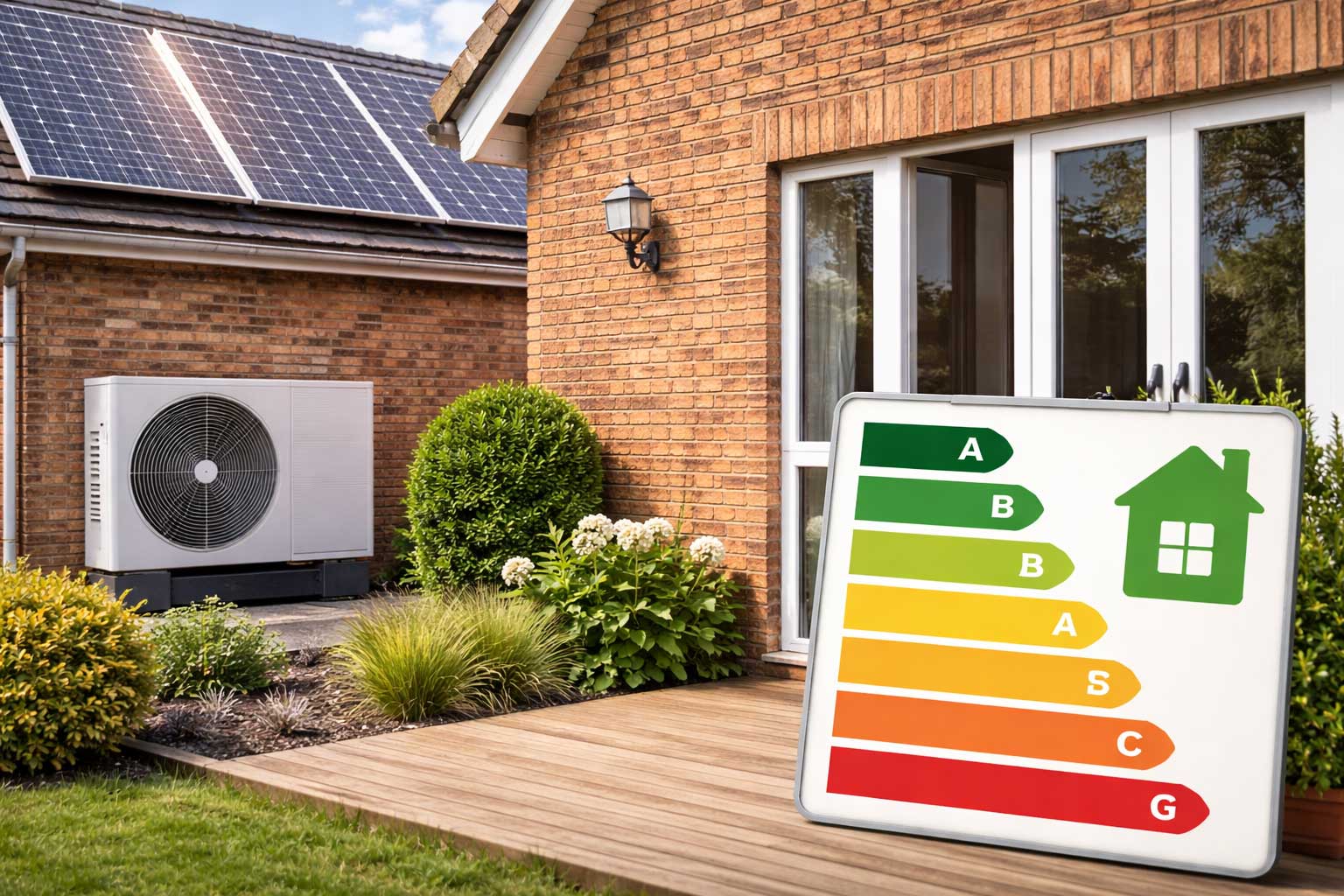
A Building Energy Rating (BER) measures how energy efficient a home is, from A1 (most efficient) to G (least efficient).
A better BER means:
For landlords, minimum standards are tightening, and for homeowners, energy costs are only moving one way.
Most Irish homes lose energy in the same places. Tackling these first gives the best return.
If your home was built before modern regulations, insulation upgrades are often the single biggest BER improvement.
Key areas:
These upgrades usually deliver immediate comfort improvements as well as BER gains.
Replacing all windows is expensive and often unnecessary.
Better options include:
This reduces heat loss without overcapitalising.
Older boilers drag down BER ratings quickly.
Effective upgrades:
Even without changing the boiler, controls and zoning can lift a BER noticeably.
Small gaps add up.
Common fixes:
Low cost work, steady BER improvement.
These systems can dramatically improve a BER, but only when the basics are already in place.
Before installing:
For many homes, solar PV works well as a final step, not the first one.
In Ireland, most upgrades should start with a BER assessment.
This helps:
Grants change regularly, so checking current eligibility before starting work is essential.
Not every home needs to reach an A rating.
In many cases:
The goal is smart efficiency, not chasing a letter.
The most effective approach is staged:
This avoids redoing work later and keeps costs controlled.
Upgrading your BER doesn’t require a full renovation. With the right sequence and targeted improvements, most Irish homes can achieve meaningful efficiency gains without excessive spend.
If you’re planning building work, renovations, or maintenance, aligning it with BER improvements can save time and money while improving your home’s long-term performance.